
How I Fueled My First 50k: A Case Study of My Own Calculator
Six months from injured to a 50k finish. How I used the carb-loading calculator on this site for my first ultra, where I stuck to the plan, where I deliberately deviated, and what actually happened on race day.
 By Matt McCabe · 50k ultra finisher, 2026August 12, 20268 min read/ Programming
Marlette 50k · Lake Tahoe · August 9, 2026 · 6:21:03 · 1st age group · 23rd overall
Six months ago I signed up for a 50k. Before that, I'd been out with injuries for over two years, and my longest run ever was a 10k. On August 9th I ran 31 miles of high alpine trail on the east side of Lake Tahoe. 4,562 feet of climbing on my watch, a high point of 9,214 feet on Snow Valley Peak, and granite radiating heat like city pavement. It was my first solo race ever. First marathon. First ultra.
I finished 39 minutes ahead of my goal time, first in my age group, 23rd overall. The fueling plan held. And I built that plan using the same carb-loading calculator that anyone can run on this site.
This is the honest post-race breakdown: what the calculator told me to do, where I stuck to it, where I deviated, and what I'd change next time.
The race conditions
Cool morning around 65°F at the start, climbing to 96 to 98°F at the lower-elevation sections in the afternoon. Clear and sunny the whole day. Light west wind at maybe 5 mph, offering little relief on the exposed ridgeline. The high alpine granite radiated heat like city pavement and the felt temperature above tree line was well past the air-temp reading.
The inputs
I ran myself through the tool at T-48h:
- 162 lb, male
- 50k
- 8 hr estimated finish (I set the number I could beat, not the number I hoped for)
- 48 hours to race start
The plan the calculator produced
- Loading days (T-48h and T-24h): ~11 g/kg/day of carbohydrate. For me that comes out to about 808g/day, with a range of 735 to 882g.
- Race-morning meal: ~147g of carbs, about 3.5 hours before the start (range 73 to 220g).
- Pre-start top-up: a familiar gel, 30 to 60g, at T-30 minutes.
- In race: 60 to 90g of carbs per hour, 400 to 800 mL of fluid per hour, 500 to 800 mg of sodium per hour.
What I actually did
Loading days. I ran the loading window at 9.8 to 9.9 g/kg (717g Friday, 725g Saturday), about 10% below the calculator's midpoint. That was deliberate. The calculator uses 11 g/kg, the midpoint of the consensus 10 to 12 g/kg range. I stayed just below the bottom of that range because I had not practiced eating the full amount, on foods I trusted, and accepted that I'd start the race well-loaded but not maximally loaded.
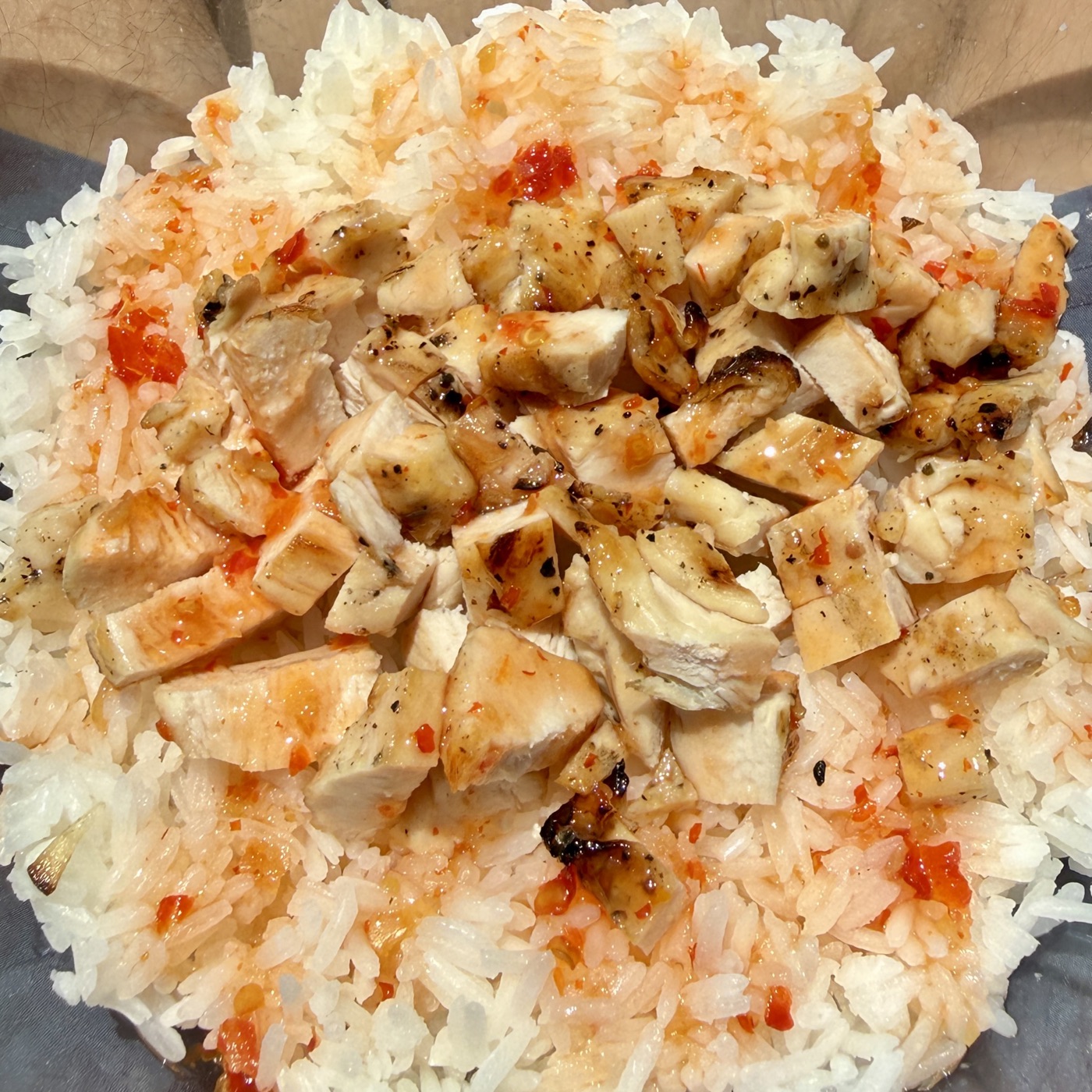
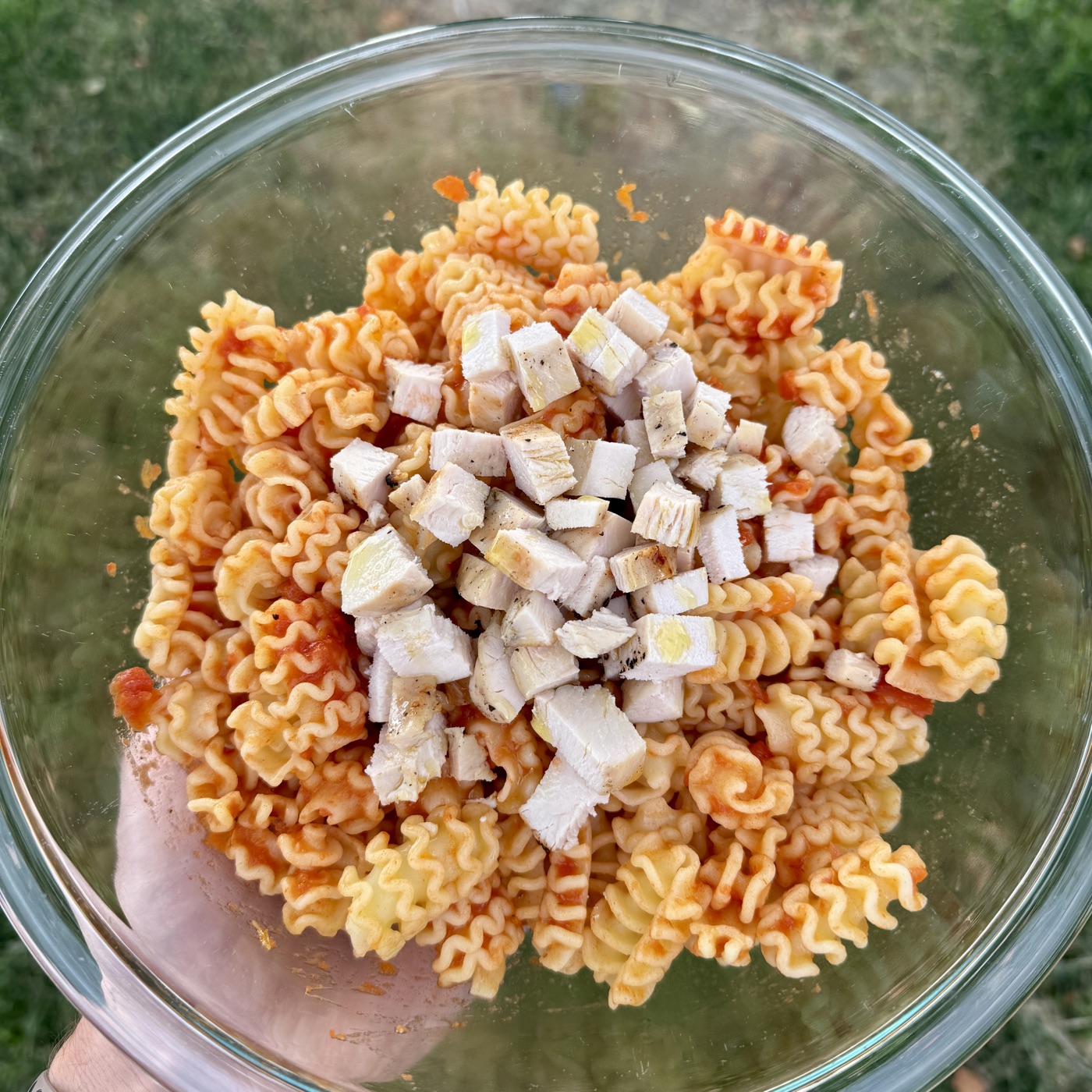
Friday breakfast was 80g of oats, a scoop of whey, a banana, four tablespoons of maple syrup, and orange juice. That's 173g of carbs before 8 AM. Lunch was a container of jasmine rice with chicken and sweet chili sauce (145g).
A peach-jam bagel with a Vita Coco in the afternoon (119g). Chicken marinara pasta for dinner (176g).
Cinnamon-raisin bread with honey and OJ before bed (103g). Nothing exotic. Everything measured.
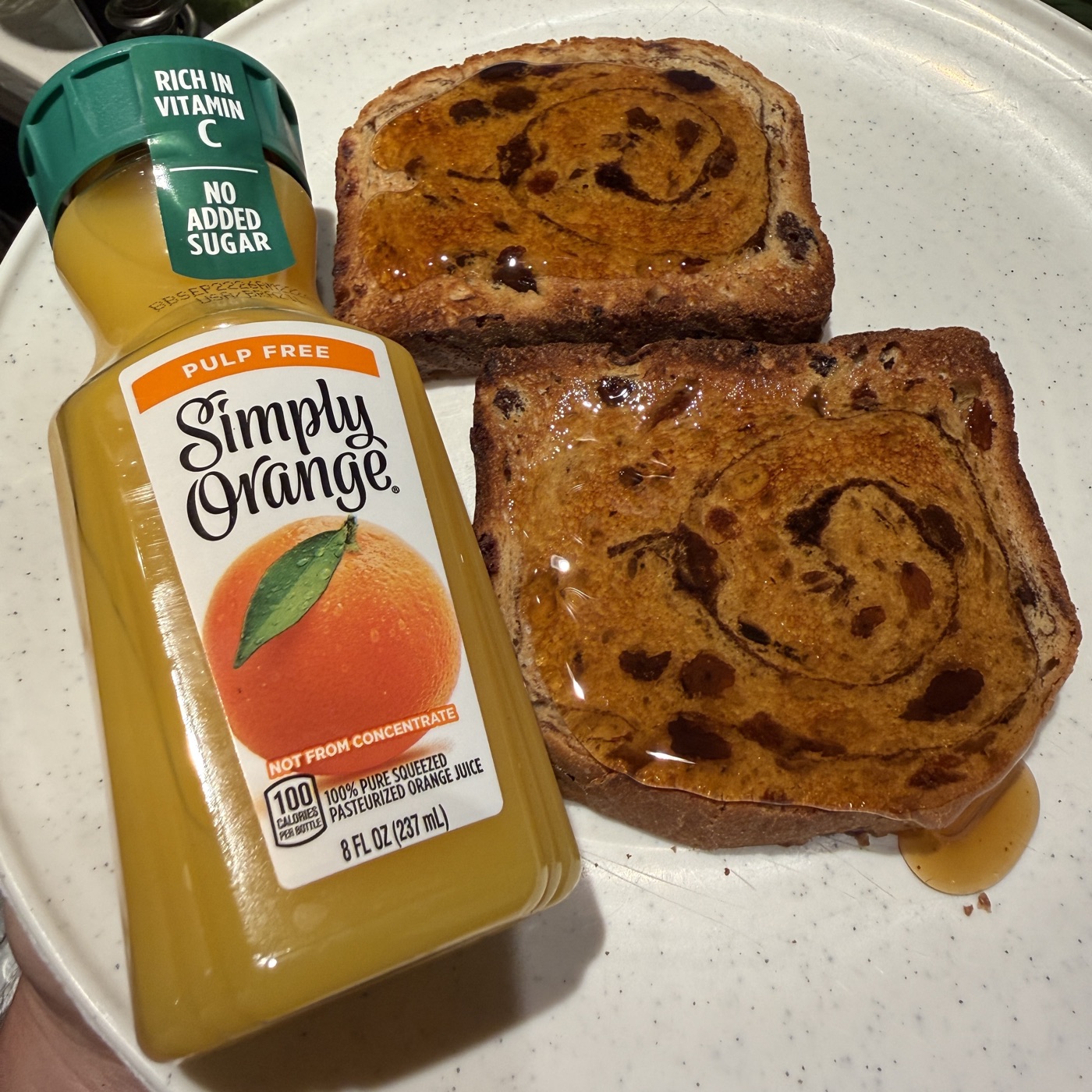
Saturday dropped the oats and whey and moved toward lower-fiber, lower-fat carbs: bagels with peach jam for breakfast, rice and chicken for lunch, cinnamon-raisin bread with honey and maple syrup for the afternoon snack, pasta for dinner, one banana as a top-off.
I hit every adjusted target. I also had to walk after almost every meal to help it digest. More on that below.
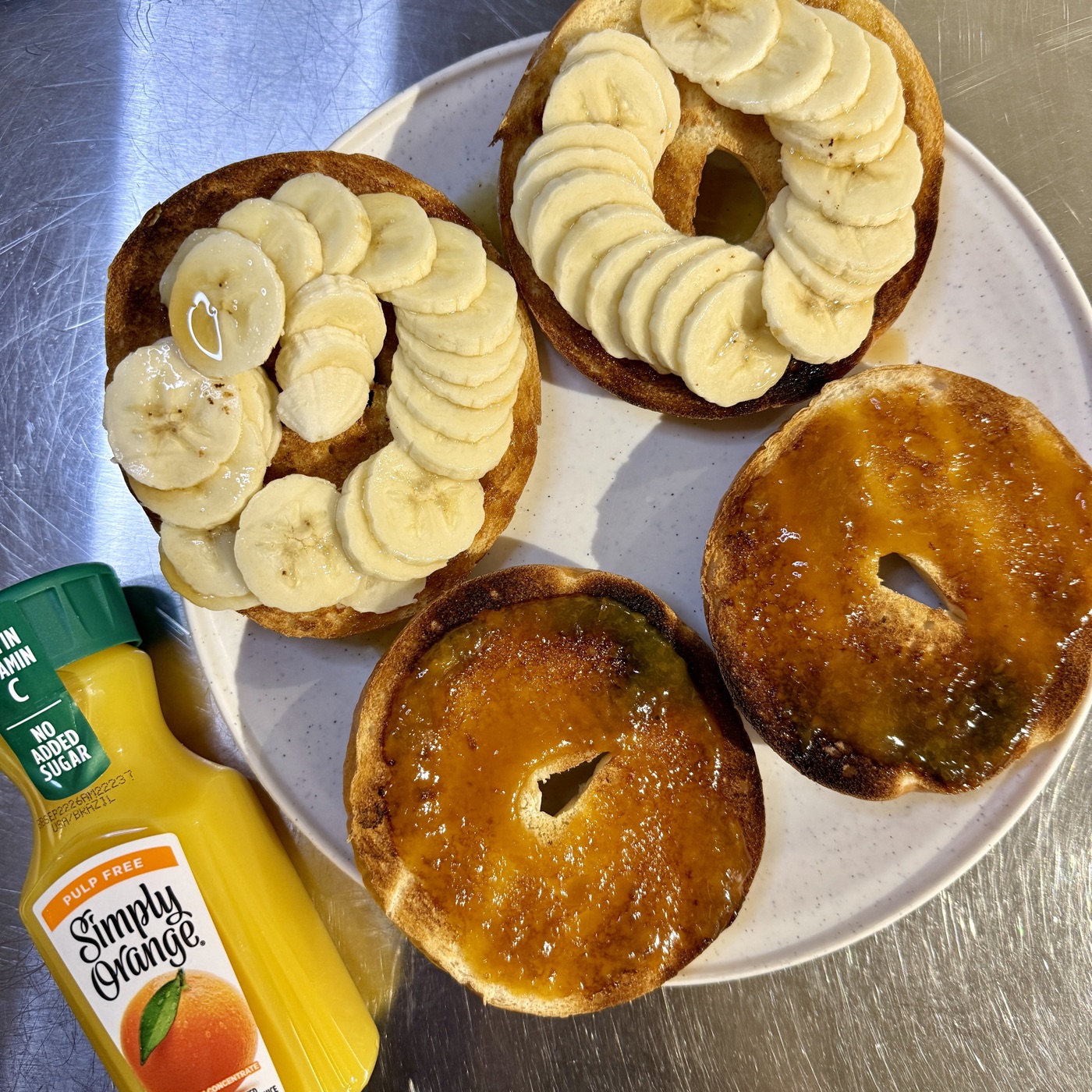
Race morning. Wake 3:15 AM. Bagel with sliced banana and maple syrup. Bagel with peach jam. Simply Orange. Coffee. Total: 215g of carbs, finished about 3.5 hours before the 7:30 gun. That comes out to 2.9 g/kg, well inside the calculator's 1 to 3 g/kg range but sitting at the top of it, not the middle. A familiar gel at T-20 minutes brought race-morning total to about 240g / 3.3 g/kg.
In race. Two 500 mL bottles on my vest: one with a 50g carb mix, one with plain water. Enough gels, chews, and gummy bears to reach mile 20, where my crew resupplied me (they hiked miles into the course to be there). Aid stations for water and Gatorade, and to douse my hat and neck-hanky, which mattered more than I expected. Carb intake ran 60 to 90g per hour, in the calculator's range for an ultra bracket.
Race-day totals (estimated). I didn't log each item on the run, so the numbers below are back-of-envelope estimates against the 6:21:03 finish time, not a food journal:
- Carbohydrate: ~475 g total, ~75 g/hr average, middle of the 60 to 90 g/hr bracket. Rough breakdown:
- Sports drink mix (50 g per bottle, refilled through aid stations) → ~300 g
- Gels, chews, gummy bears, and candy across the day → ~120 g
- Aid-station Gatorade sips (~14 g per 8 oz cup) → ~55 g
- Total: ~475 g
- Fluid: not logged. Enough to finish clear-headed and cognitively fine, with no signs of over- or under-drinking.
- Sodium: not logged. I did not carry salt tabs and relied on the sodium in the carb mix + aid-station Gatorade, which is likely on the low end of the calculator's 500 to 800 mg/hr range for an ultra event in heat.
What actually happened on the course
Early climb and the initial descent felt strong. Heat started biting around mile 14. Quad cramps at mile 18. Miles 18 to 26 were a grind, moving forward but not moving well. From mile 26 the course tilted downhill and I could actually run again. Finished 6:21:03, took the age group win, and came in 23rd out of the field.

No bonking. No GI issues. No energy dip. Quad cramps started around mile 18, after more distance, climbing, descending, and heat than I had ever raced through. Fatigue and heat were likely contributors, but I can't isolate one cause from the race. Without sweat-rate or sodium-loss data, I also can't say that more salt would have prevented them.
The one place the plan broke: I'd packed two uncrustables to eat mid-race. I tried one and my body said no. I couldn't stomach any of them. Every gel, chew, and gummy went down fine. A peanut butter sandwich at mile 15 was too much.
What the calculator got right, and what I'd change
What the calculator got right:
- The in-race carb range. 60 to 90 g/hr felt sustainable and I never felt underfueled.
- Race-morning meal timing. 3.5 hours was enough to fully digest before the start.
- The bracket assignment. An 8-hour ultra bracket, executed at the choices above, delivered a race with no bonk and no GI failure.
What I'd change on my next attempt:
- Practice carb loading before race week. The calculator can tell you 808g of carbs is your loading target. It can't tell your stomach whether that's fun to eat. Do a dry run in training so you know how it feels.
- Higher-carb gels, more variety. I hit a gel fatigue point around mile 20. Next time I'll swap in some higher-ratio maltodextrin and fructose gels and rotate flavors.
- Foods I'm actually excited to eat. My plan skewed too plain. The cinnamon-raisin bread with maple syrup was the standout. I looked forward to it. The chicken-and-rice bowl was fuel, not food. Next time, more of the former.
- Test everything mid-run in training. The uncrustables looked great on paper. My race-day gut disagreed.
The calibration note back to the calculator
If you use the carb-loading calculator for your own race, know that the loading-day numbers are the midpoint of the peer-reviewed consensus range (10 to 12 g/kg). That range is real, but the top of it is a lot of food. For me, landing about 10 to 11% below the midpoint was a deliberate tolerance tradeoff. I had no GI trouble or obvious bonk, but one race can't show whether that intake was optimal.
My estimated carbohydrate intake landed around 75 g/hr, inside the calculator's range. Fluid and sodium weren't tracked closely enough to evaluate. If your race is in the 60 to 90 g/hr bracket, that's a range you should actually train to hit.
The bottom line
The calculator gives you a frame. Race day tells you which parts of that frame your body can actually hold. Loading days took discipline I hadn't practiced. The in-race plan ran itself. The pre-race meal was well-timed. I had no obvious signs of a carbohydrate failure. The cramps were the unresolved part, and they don't identify a single cause. First 50k in the bag, age group win, and the math survived contact with reality.
If you want the full meal-by-meal plan I followed, email me and I'll send it over. If you want to build your own, start with the calculator.
For information and education, not medical advice. If you have a health condition, are pregnant, or take medication that interacts with diet, talk to a clinician before making changes.
End of note
Subscribe
Get the next Field Note by email
A short email when a new article or recipe ships. No spam, no upsell, unsubscribe in one click.